

The comprehensive guide to roof tents: applications and installation
Roof tents are becoming increasingly popular among outdoor enthusiasts and adventurers. They offer a flexible and comfortable overnight accommodation option while traveling, without sacrificing the proximity to nature. Here is a comprehensive overview of when and how roof tents can be used, and what should be considered during installation.
When can a roof tent be used?
Roof tents are versatile and ideal for:
Camping trips: Perfect for spontaneous weekend trips or extended road trips. They offer the freedom to camp wherever the vehicle can be safely parked.
Festival visits: A roof tent offers a comfortable sleeping option right on the spot, away from crowded and noisy campsites.
Adventure travel: Particularly useful for off-road adventures or in remote areas where traditional accommodations are difficult to find.
Family outings: Roof tents offer ample space and are often more comfortable and safer than ground tents, especially in bad weather.
Which roof tent is suitable for my car?
Choosing the right roof tent depends on various factors:
Roof load of the vehicle: The dynamic roof load (maximum load while the vehicle is in motion) and the static roof load (maximum load when the vehicle is stationary) must be taken into account. These values are usually found in the vehicle manuals.
Vehicle size: The tent should not extend beyond the edges of the roof in order to ensure stability and safety.
Roof rack: A suitable roof rack is necessary to securely mount the tent. The tent cannot be attached directly to the roof rails; it requires appropriate crossbars.
What do I need to assemble my roof tent?
The following is generally required for installing a roof tent:
Roof rack: These must be robust and designed to support the weight of the tent as well as any additional equipment.
Mounting material: In most cases, all the necessary parts, including screws and brackets, are supplied with the tent. It is important to follow the manufacturer’s specific operating instructions.
Tools: Generally, no extra tools are required. However, this may vary depending on the roof rack and the vehicle. We are also happy to provide assistance during installation.
Important tips regarding roof loads.
Dynamic roof load: This is the crucial factor, as it indicates the maximum weight that can be transported while driving. This consists of the weight of the roof rack, the roof tent, and all items transported in the tent.
Static roof load: The static roof load is significantly higher than the dynamic roof load, as the vehicle can support more weight when stationary. However, it is always advisable to adhere to the manufacturer’s specifications and to take into account the total weight, including passengers and luggage.
Roof tents offer an excellent way to travel flexibly and comfortably. With the right preparation and by following the assembly instructions, nothing stands in the way of an unforgettable adventure.
What else should be taken into consideration?
The roof tent increases the overall height of the vehicle. For most cars, this does not pose a problem in normal road traffic, but it can cause difficulties in underground garages or under bridges. In addition, you should make sure to observe a maximum speed of 120 Do not exceed a speed of km/h when the roof tent is mounted.
If you rent a roof tent from us, we will, of course, provide you with detailed instructions on how to use it. If you later decide to purchase a roof tent, we will refund you. 50 % the rental fee will be credited towards the purchase price of the tent you rented.
Discover roof tents.
-
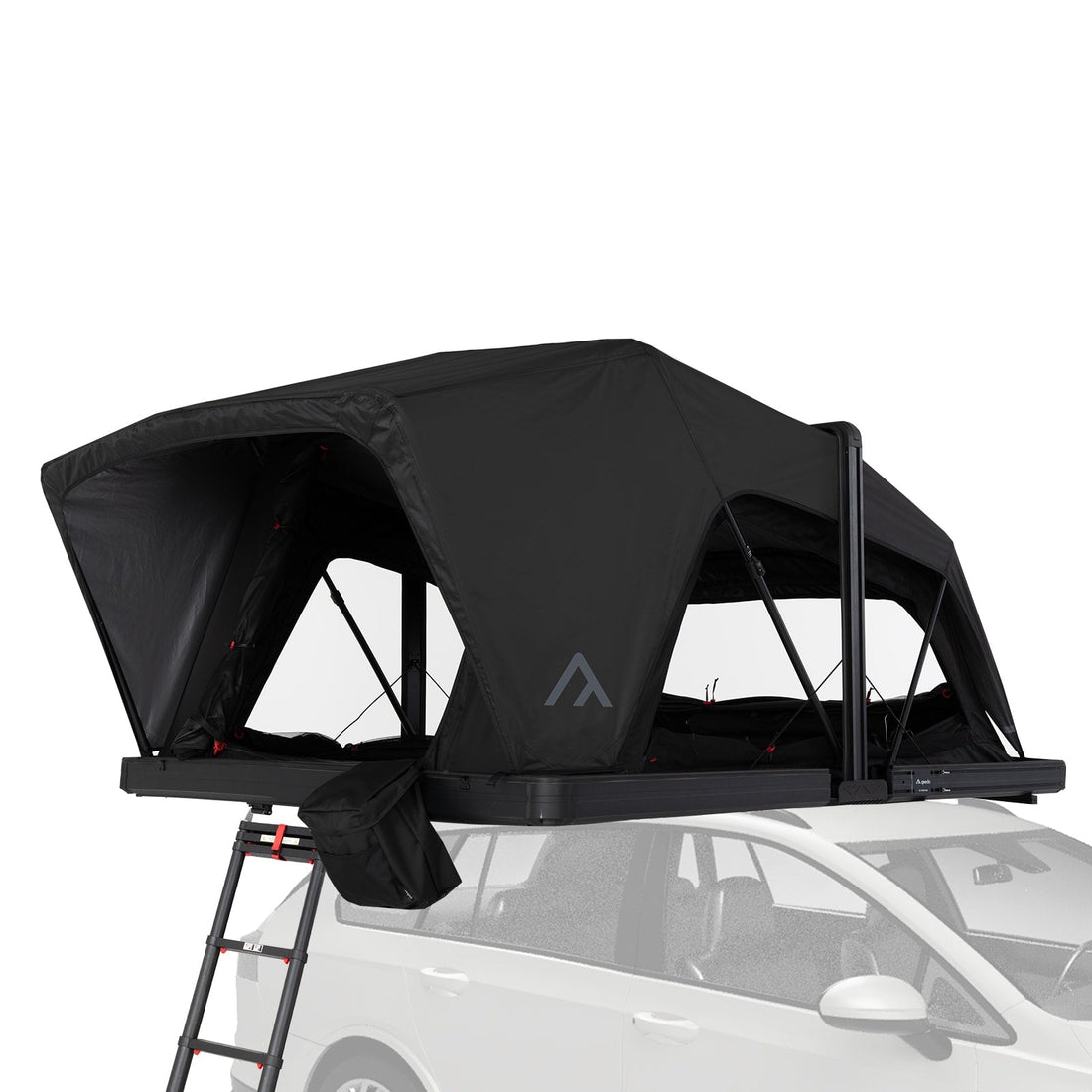 Qeedo Freedom Hybrid - 3+ Rooftop TentSalesperson:Qeedo Freedom Hybrid - 3+ Rooftop Tentqeedo
- Regular price
-
2.999,00 € - Regular price
-
- Sale price
-
2.999,00 €
-
 Horntools Roof tent, Themis PopUp, ABS hard-shell tentSalesperson:Horntools Roof tent, Themis PopUp, ABS hard-shell tenthorntools
- Regular price
-
2.990,00 € 3.290,00 € - Regular price
-
2.990,00 € - Sale price
-
2.990,00 € 3.290,00 €
-
 Qeedo Freedom Family 4 (2026) rooftop tentSalesperson:Qeedo Freedom Family 4 (2026) rooftop tentqeedo
- Regular price
-
2.899,00 € - Regular price
-
2.899,00 € - Sale price
-
2.899,00 €
-
 Vickywood hard-shell roof tent, model HAZELSalesperson:Vickywood hard-shell roof tent, model HAZELVickywood
- Regular price
-
2.890,00 € 3.190,00 € - Regular price
-
- Sale price
-
2.890,00 € 3.190,00 €
-
 Vickywood Aluminum Hard Shell Roof Tent CUMARU XP 135 All BlackSalesperson:Vickywood Aluminum Hard Shell Roof Tent CUMARU XP 135 All BlackVickywood
- Regular price
-
2.890,00 € 2.990,00 € - Regular price
-
- Sale price
-
2.890,00 € 2.990,00 €
-
 Qeedo Freedom Hybrid 2+ Rooftop TentSalesperson:Qeedo Freedom Hybrid 2+ Rooftop Tentqeedo
- Regular price
-
2.799,00 € - Regular price
-
- Sale price
-
2.799,00 €
-
 horntools Cloud Triangle Rooftop TentSalesperson:horntools Cloud Triangle Rooftop Tenthorntools
- Regular price
-
2.790,00 € - Regular price
-
2.790,00 € - Sale price
-
2.790,00 €
-
Qeedo Freedom Family 4 roof tent (2025) *rental tent*Salesperson:Qeedo Freedom Family 4 roof tent (2025) *rental tent*qeedo
- Regular price
-
2.500,00 € - Regular price
-
2.899,00 € - Sale price
-
2.500,00 €
-
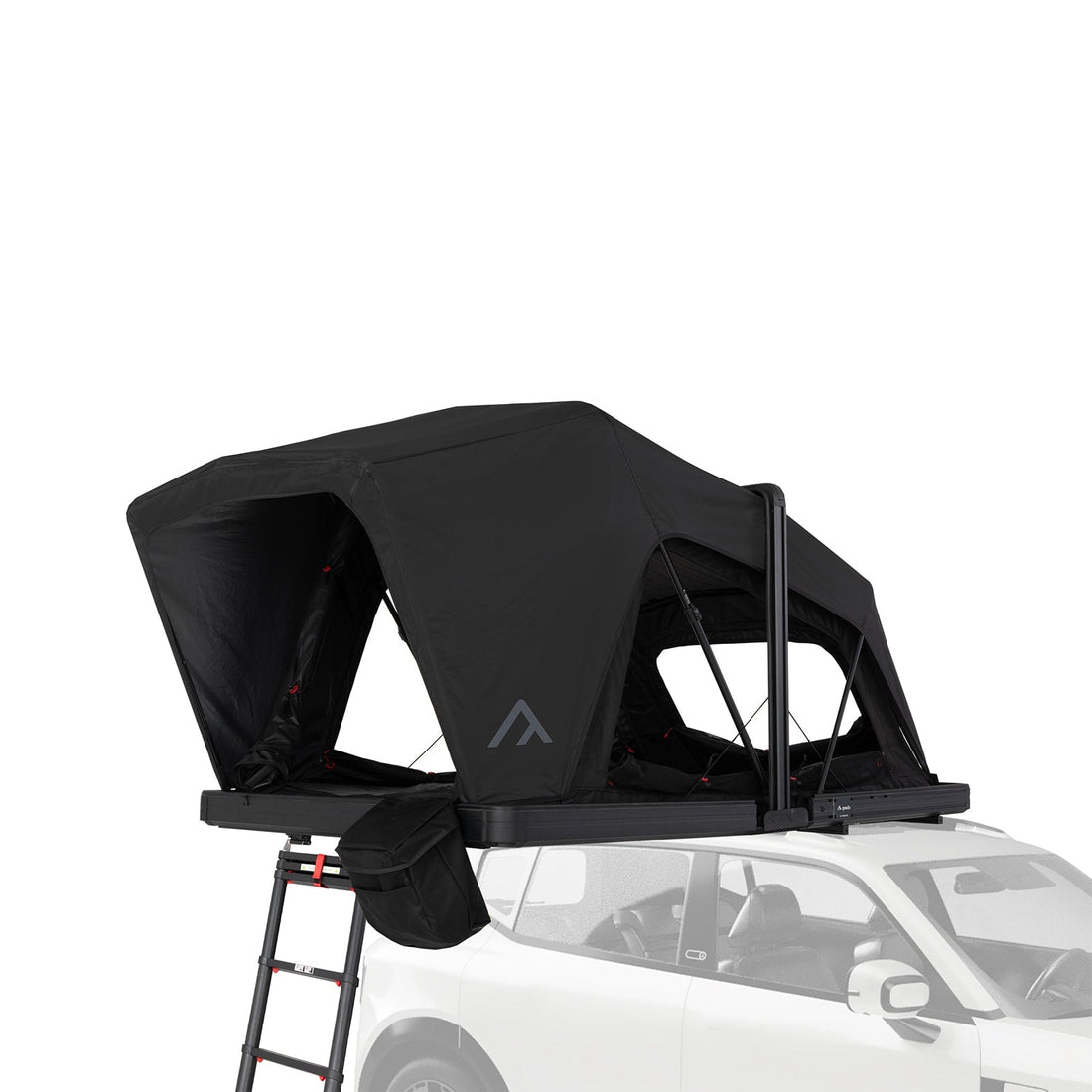 Qeedo Freedom Hybrid – 2 roof tentSalesperson:Qeedo Freedom Hybrid – 2 roof tentqeedo
- Regular price
-
2.499,00 € - Regular price
-
2.499,00 € - Sale price
-
2.499,00 €
-
 Horntools Rooftop tent Elements Gen II Bundle: *Get free camping chairs with your purchase!*Horntools Rooftop tent Elements Gen II Bundle: *Get free camping chairs with your purchase!*
- Regular price
-
From
2.100,00 € - Regular price
-
2.390,00 € - Sale price
-
From
2.100,00 €
-
 Qeedo Freedom Slim 2 Roof TentSalesperson:Qeedo Freedom Slim 2 Roof Tentqeedo
- Regular price
-
1.999,00 € - Regular price
-
- Sale price
-
1.999,00 €
-
 Horntools Roof tent Elements Gen IIHorntools Roof tent Elements Gen II
- Regular price
-
From
1.890,00 € - Regular price
-
2.190,00 € - Sale price
-
From
1.890,00 €


